A sudden spike in body temperature accompanied by deep muscle aches can completely disrupt your life. While a fever is actually your body’s natural defense mechanism working hard to fight off an infection, understanding what is causing it is crucial for a smooth and safe recovery.
Most seasonal temperature spikes are viral. If you are feeling suddenly drained and unusually hot, here is a complete clinical guide to understanding viral fever symptoms, how it is diagnosed, and the best ways to treat it.
Understanding the Body’s Warning Signs
A fever is not an illness in itself, but rather a symptom of an underlying viral infection such as the seasonal flu, dengue, or a common respiratory virus. Because viruses multiply inside your cells, your immune system raises your core body temperature to create a hostile environment for the invaders.
Recognizing viral fever symptoms early helps you avoid unnecessary panic and take plenty of fluids. Common signs include:
- High body temperature: A fever that fluctuates but often spikes any time of the day.
- Chills and sweating: Alternating between shivering and sweating as your body tries to regulate its temperature.
- Severe body aches: Deep muscle and joint pain, often leaving you feeling physically exhausted.
- Headache and facial pain: A heavy, throbbing sensation, sometimes accompanied by pain behind the eyes.
- Respiratory issues: A sore throat, runny nose, or a dry cough.
- Digestive discomfort: Nausea, vomiting, or a sudden loss of appetite.
The Diagnostic Journey: Finding the Root Cause
One of the biggest mistakes patients make is self-diagnosing or assuming every fever requires antibiotics. Because many fevers (like dengue, malaria, or typhoid) share similar early signs, an accurate clinical diagnosis is essential.
At St. Stephen’s Hospital, we focus on identifying the exact cause of fever to tailor your care. Your diagnostic journey will typically include:
- Clinical Evaluation: Your doctor will check your temperature, examine your throat and lymph nodes, and ask about your recent travel
- Blood Tests: A Complete Blood Count (CBC) is often the first step to check your white blood cells and platelets.
- Specific Viral Markers: Depending on the season and your symptoms, we may run specific tests to rule out serious infections like dengue, chikungunya, leptospirosis and scrub typhus.
Effective Treatment and Recovery
Because antibiotics only kill bacteria, they are entirely ineffective against a viral fever. Treatment instead focuses on managing your symptoms and supportive care while the virus runs its course.
Medical Management: Your doctor will likely prescribe antipyretics (fever-reducing medications like paracetamol) to keep your temperature at a safe level and relieve body aches, plenty of fluids and rest.
Essential Home Care:
- Aggressive Hydration: Fevers cause rapid fluid loss through sweating. Drink plenty of water, oral rehydration solutions (ORS), clear broths, and fresh juices to prevent dehydration.
- Complete Rest: Your body needs all its energy to fight the infection. Avoid physical exertion and get as much rest as possible.
- Cool Compresses: Applying a damp, cool cloth to your forehead, axilla, groin , back and anterior part of body or taking a sponge bath can help naturally lower your body temperature.
Don’t Let a Fever Linger: Your Next Steps
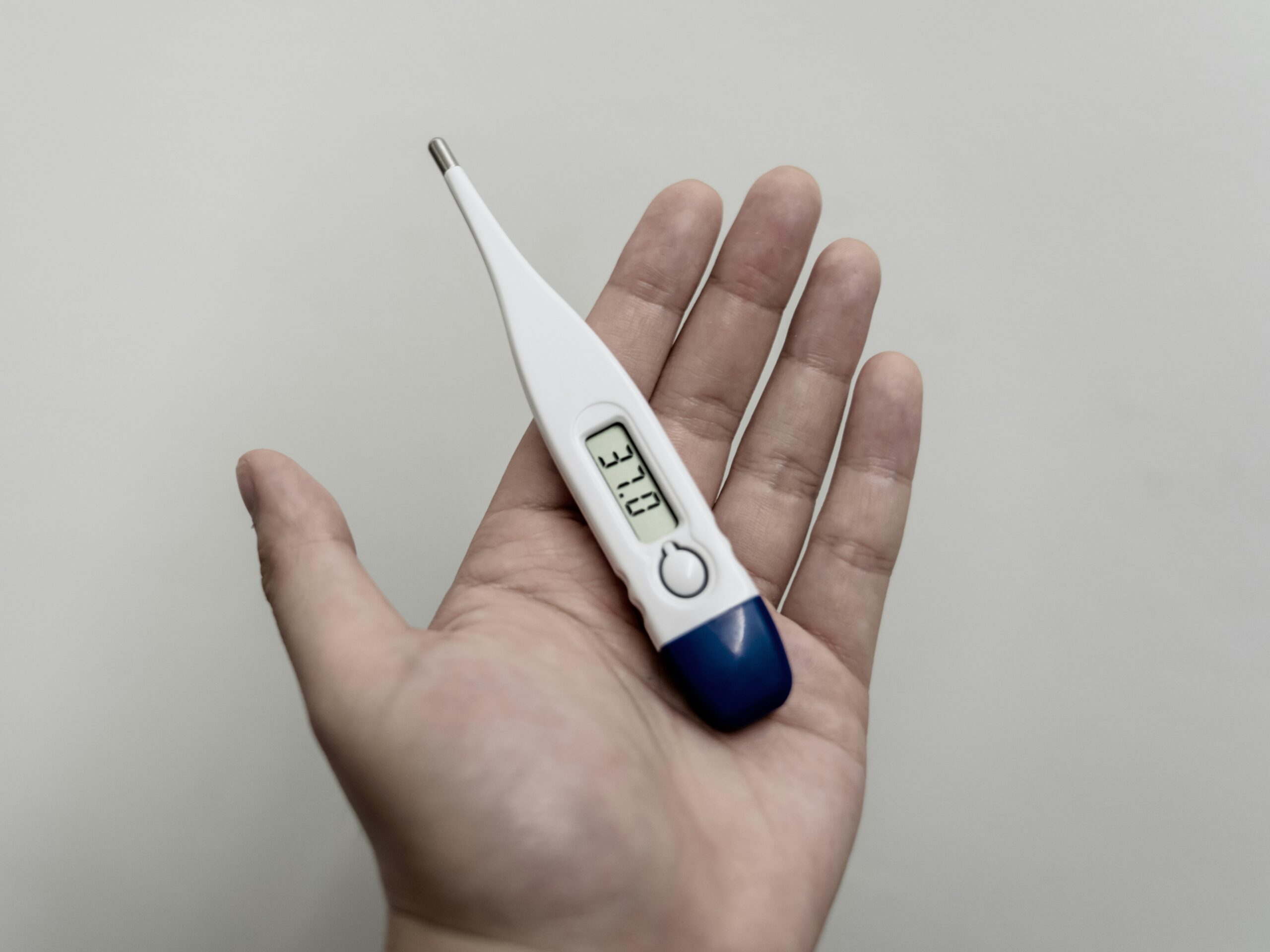
While most viral fevers subside within 3 to 5 days, a fever that remains consistently high (above 103°F or 39.4°C), lasts longer than a few days, or is accompanied by persistent vomiting and not able to take anything orally, skin rash and breathlessness requires immediate attention.
Your health should never be a waiting game. Instead of relying on self-medication, let our experts provide you with the clarity and care you need. Walk into the General Medicine Outpatient Clinic at St. Stephen’s Hospital for a precise diagnostic check, or contact us immediately if your symptoms escalate. We are committed to getting you safely back on your feet.