Learn what to expect when visiting the Emergency Department. Learn More

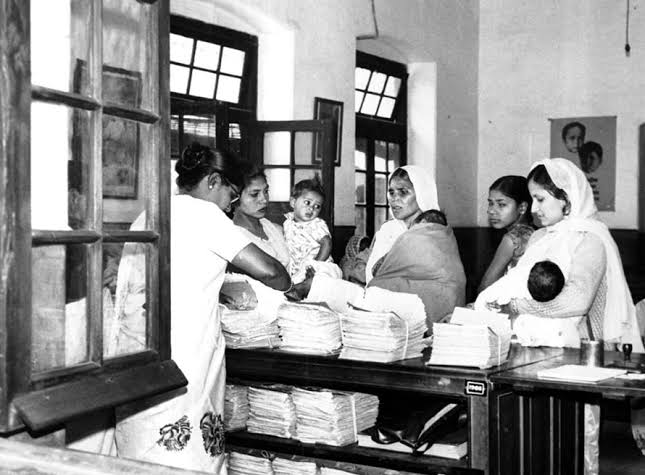
As the country marks Independence Day, a feature published by United News of India (UNI) revisits a chapter of Delhi’s history in which St. Stephen’s Hospital played a quiet but vital part.
Written by journalist Vivek Shukla, the piece recalls the summer of 1947, when Partition brought waves of refugees into the city. Trains arrived at Old Delhi Railway Station carrying the wounded and the displaced, and Delhi’s hospitals and voluntary organisations were pushed to their limits.
St. Stephen’s Hospital — founded in 1885 by the Cambridge Mission, which had established St. Stephen’s College a few years earlier — was among the institutions that opened their doors. Alongside the Delhi Brotherhood Society, volunteers carried the injured from the railway station to the hospital, where doctors such as Dr Ruth Roseveare cared for them through those difficult weeks. Nearby, the Brotherhood House compound in Civil Lines, under the leadership of Father Weatherall, gave temporary shelter to families who had lost everything — offering water, medicine, and safety without regard to caste or religion.
The article sets the hospital’s work within a wider story of humanitarian effort across Delhi in 1947: a network of doctors, nurses, and volunteers from many communities who cared for the vulnerable in a moment of crisis.
For an institution that has served Delhi since 1885 under the motto Serving Humanity in the Service of Christ, it is a story that still speaks to who we are.
Read the full feature on UNI: Partition’s wounds, Delhi’s humanitarian spirit: The volunteers who saved lives
We use cookies to improve your experience on our site. By using our site, you consent to cookies.
Manage your cookie preferences below:
Essential cookies enable basic functions and are necessary for the proper function of the website.