PMOS – Symptoms, Diagnosis and Treatment
For many women, experiencing irregular periods or sudden weight changes can be confusing and overwhelming. Very often, these are the early warning signs of Polyendocrine Metabolic Ovarian Disease earlier known as PCOS.
If you have recently been diagnosed or are experiencing these changes, it is important to understand exactly what PMOS is, how it affects your body, and the steps you can take to manage it effectively.
Understanding: What is PMOS?
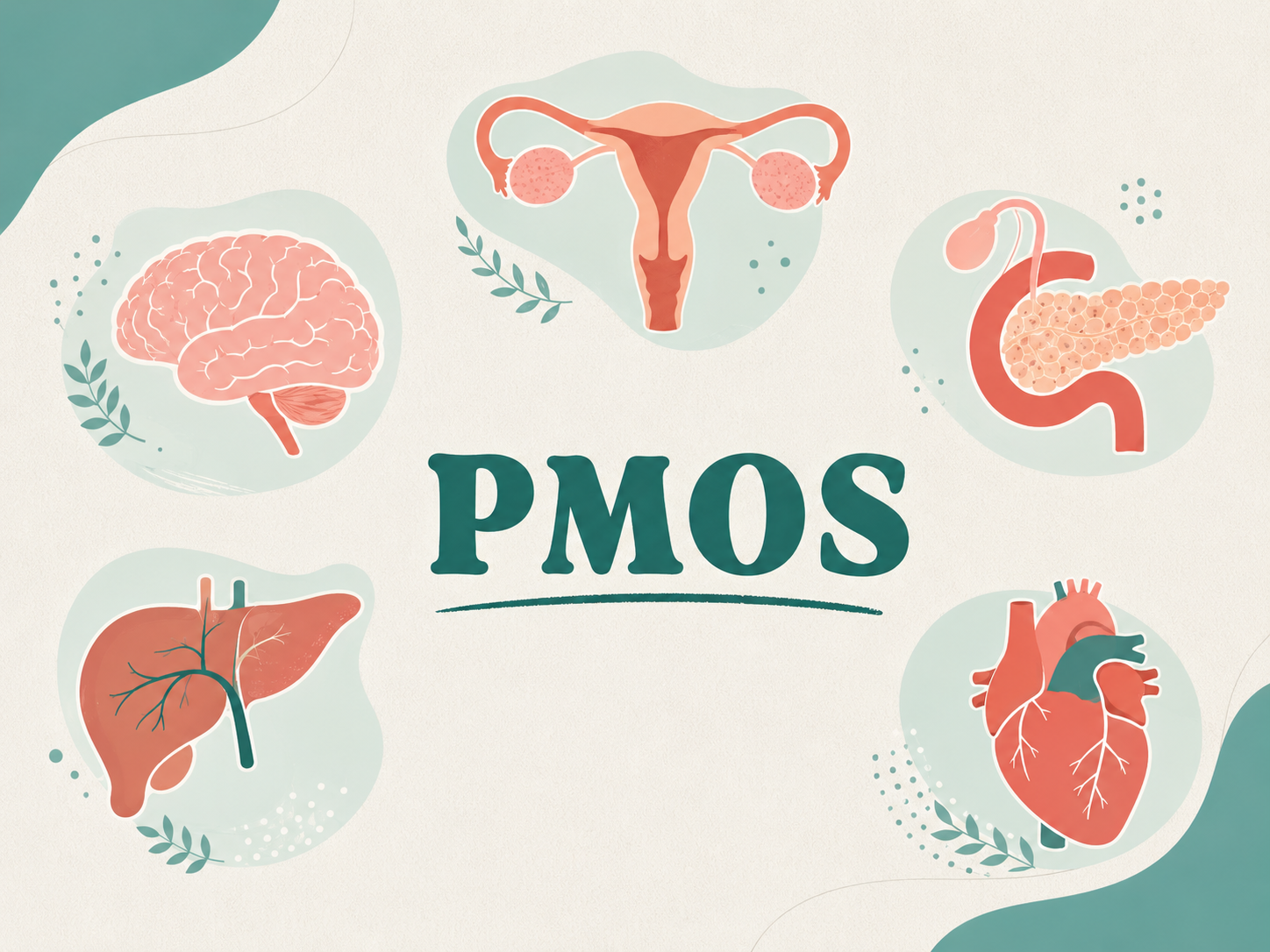
Polyendocrine Metabolic Ovarian Disease (PMOS) is a common complex genetic, environmental and biochemical disorder with impact on the reproductive, endocrine and medical condition of women. Here a woman’s ovaries does not form mature eggs and result in anovulation. This leads to the ovaries becoming enlarged and producing higher-than normal amounts of male hormones (androgens). Which will result in formation of many small sacs of fluid along the outer edge of ovary. These are multiple follicles which are unable to release eggs and are called cysts hence the name polycystic ovary.
This hormonal imbalance disrupts the normal menstrual cycle and can affect a woman’s overall health, fertility, and physical appearance.
Recognizing PMOS Problem Symptoms
Because hormones regulate so much of our bodies function, a hormonal imbalance can cause a wide variety of signs and symptoms . Identifying the symptoms early can help you get the right care faster.
Common signs to watch out for include:
● Irregular Menstrual Cycles: Unpredictable, delayed, or absent periods.
● Unexplained Weight Gain: Difficulty losing weight or sudden weight gain, especially around the abdomen.
● Skin Changes: Persistent acne, especially along the jawline, or darkening of the skin in areas like the back of neck.
● Unwanted Hair Growth (Hirsutism): Noticeable hair growth on the face, chest, or back.
● Hair Thinning: Excessive hair loss, male pattern of balding or thinning on the scalp.
● Fatigue and mood changes.
● Difficulty in getting pregnant.
How We Diagnose It
Getting a diagnosis can feel intimidating, but the process is straightforward and routine. At St. Stephen’s Hospital, our specialists generally rely on three main steps to confirm PCOD:
1. A Detailed Medical History: Discussing your symptoms, weight changes, and menstrual cycle.
2. Blood Tests: Checking your hormone levels, cholesterol, TSH and blood sugar to identify any underlying imbalances.
3. Pelvic Ultrasound: A simple, painless imaging test that allows the doctor to check the size of your ovaries and look for Polycystic ovary features.
PMOS Problem Treatment: Taking Back Control
A very common question patients ask is how to cure PMOS completely. While there is no permanent, overnight “cure” for the condition, the good news is that it can be highly successfully managed, and symptoms can be reversed.
Effective PMOS problem treatment usually involves a combination of medical guidance and lifestyle adjustments:
● Diet and Lifestyle: The cornerstone of managing PMOS is a healthy, balanced diet and regular exercise. Even a modest weight loss of 5% to 10% can help regulate your menstrual cycle and significantly improves ovulation along with other symptoms.
● It is advised to do at least 150 min/week moderate exercise.
● Medical Management: Depending on your specific needs, your doctor may prescribe medication to help regulate your periods, balance your hormones, or treat specific symptoms like acne and hair growth.
● Fertility Support: If you are planning a pregnancy, specific medications and treatments are available to help stimulate ovulation.
Expert Care at St. Stephen’s Hospital
Dealing with a hormonal condition can be stressful, but you do not have to manage it on your own. With the right guidance, diet, and medical support, you can take control of your health and reverse your symptoms.
We also have a specialised Women’s wellness clinic which runs on all Wednesdays from 2-4 pm which includes consultation with Gynaecologist, Dermatologist, Preventive Medicine Specialist and Nutritionist. This clinic gives expert care with a holistic approach for better outcomes.
If you are experiencing any of these symptoms or need expert advice on your reproductive health, please reach out to the Gynaecology Department at St. Stephen’s Hospital. Our team is here to provide compassionate, personalized care for you.