Anaemia is a highly prevalent yet often overlooked health condition. Left untreated, it can have a dangerous, multi-layered impact on your entire body. To shed light on this crucial topic, Dr. Reysa Samuel, Consultant in the Department of Obstetrics and Gynaecology at St. Stephen’s Hospital, breaks down what anaemia is, who is at risk, and how it can be treated.
What Causes Anaemia?
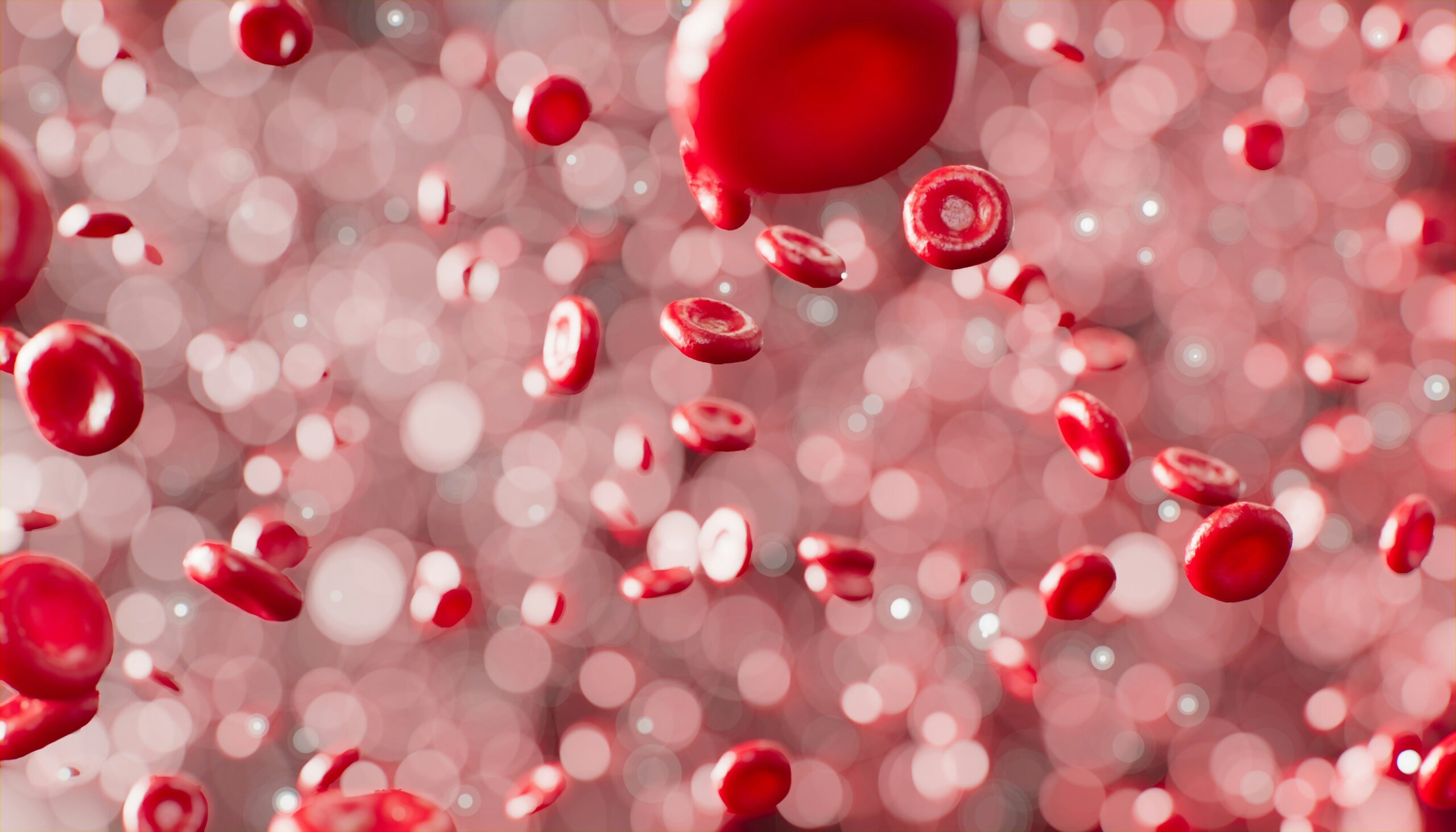
Anaemia occurs when your body lacks enough healthy red blood cells or haemoglobin to carry adequate oxygen to your tissues. There are different types of anaemia, each with different causes.
While it can occasionally occur in men due to chronic diseases or internal blood loss, anaemia is majorly seen in women. The most common causes include:
- Heavy Menstrual Bleeding: This is a leading cause, particularly for women in their reproductive age group.
- Pregnancy: The body has an increased demand for iron during pregnancy (especially in the second trimester). Multiple pregnancies (e.g., 2-3 pregnancies) can further deplete the body’s stores, resulting in anaemia.
- Nutritional Deficiencies: An improper diet lacking in iron-rich foods or Vitamin B12 directly leads to anaemia.
- Chronic Illnesses: Conditions like chronic kidney disease or celiac disease can also cause anaemia.
- Internal Blood Loss: Any undetected internal bleeding can gradually result in anaemia.
The “Ripple Effect”: How Anaemia Impacts the Body
Iron deficiency anaemia, which is the most common type, is not just about feeling a little tired. It starts at the micro-cellular level and creates a massive, multi-layered ripple effect on major organs like the heart, lungs, and brain.
Anaemia can be short-term or long-term and ranges from mild to moderate to severe. If severe anaemia is left untreated, it becomes a dangerous illness. It negatively impacts your daily physical activity, impairs your mental health, and in extreme cases, can even lead to organ failure.
Because a majority of patients in our country are anaemic, this widespread condition even affects the national economic status.
5 Warning Signs You Should Not Ignore
How do you know if you are anaemic? Look out for these key symptoms:
- Easy Fatigability & Tiredness
Feeling extremely tired by the end of the day or getting easily exhausted from small, day-to-day activities. - Pale or Yellowish Skin
Noticing a definite colour change, particularly your skin looking paler or yellowish. You should especially check the inner eyelids and the palms of your hands. - Shortness of Breath
Experiencing breathlessness or shortness of breath while simply walking or climbing stairs. - Cold, Clammy Extremities
Having cold, clammy hands, feet, and limbs. This is a sign that not enough blood is flowing to your peripheral organs. - Dizziness & Sudden Syncope
Experiencing sudden blackouts, dizziness, or syncope (fainting)—such as when children suddenly fall while standing in assembly.
How is Anaemia Treated?
If you suspect you have anaemia, the first step is to get your haemoglobin checked. Based on the results, the condition is categorized and treated accordingly:
| Severity | Medical Treatment Plan |
| Mild Anaemia | Treated with a simple diet change. Patients must consume iron-rich foods like green leafy vegetables, legumes, and dates. Non-vegetarians can also consume liver. |
| Moderate Anaemia | Usually treated with medications, such as prescribed iron tablets. |
| Severe Anaemia | Considered a serious illness that must be treated properly inside a hospital setting. |
Seek Expert Care at St. Stephen’s Hospital
Anaemia is a serious illness that should be taken seriously. If you experience tiredness, dizziness, easy fatigability, or pale skin, you need to seek medical help.
Women in their reproductive age group experiencing heavy menstrual blood loss or pregnancy should not ignore these symptoms.
Our team is here to help you get your health and energy back on track.
Visit the Obstetrics and Gynaecology Department at St. Stephen’s Hospital today.