
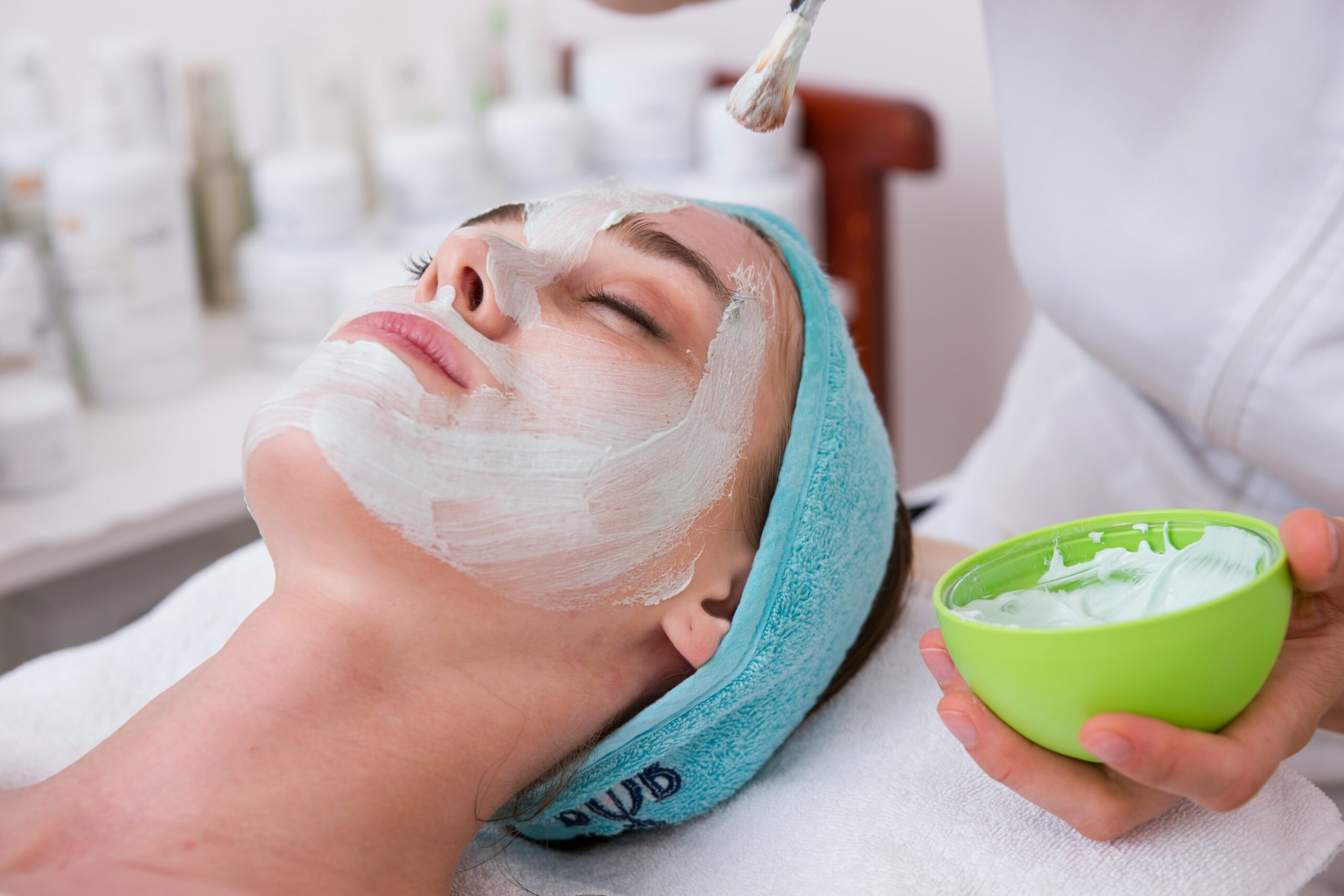
Many of us follow daily skincare routines thinking they are highly beneficial, but in reality, some of these habits are actually damaging our skin. Dr. Nidhi Sharma, a Consultant in the Dermatology Department at St. Stephen’s Hospital, breaks down one of the most common and misunderstood skincare steps: using scrubs.
The Big Scrubbing Myth: Does More Scrubbing Equal More Glow?
When it comes to exfoliants and scrubs, there is a widespread misconception that rubbing these products vigorously on the face will automatically make the skin glow. Many people believe that the more they scrub, the more radiant their skin will become.
The Clinical Reality: When you scrub your face more than what is actually required, you severely damage your skin’s protective barrier. Over-scrubbing creates unnatural gaps in the skin layers, which drastically increases the chances of irritation.
The goal of exfoliation is to properly use a scrub so that it performs its intended job while safely maintaining the skin’s natural barrier.
Physical vs. Chemical Scrubs: Which is Safer?
To protect your skin, it is important to understand that there are two entirely different categories of scrubs. Here is how they compare:
| Feature | Physical Scrubs | Chemical Scrubs |
| What they are | Scrubs containing rough particulate matter. | Commercially available liquid or gel acids. |
| Common Ingredients | Walnuts, apricots, wheat flour, and gram flour. | Salicylic acid, mandelic acid, and lactic acid. |
| Source | Often found in DIY “home remedies” or traditional scrubs. | Formulated skincare products. |
| Effect on Skin | Can easily irritate and damage the skin through overuse. | Exfoliates the skin very gently. |
| Irritation Risk | High (if overused or rubbed too hard). | Much lower chance of irritation. |
Warning Signs of Over-Scrubbing
Scrubbing too frequently or too harshly physically breaks the skin barrier. If you are wondering whether you have over-exfoliated, look out for these clear signs of skin irritation:
- Your face feels excessively dry immediately after scrubbing.
- Visible redness or a sensation similar to a sunburn.
- A stinging or burning irritation when you apply your daily moisturizer.
- Any overall sensation that leaves your skin feeling “raw”.
Stop Following Trends and Protect Your Investment
Determining exactly which type of scrub will suit your unique skin type should not be a guessing game.
Instead of simply following what your friends are doing or buying what is trending, you should speak directly to a dermatologist. Navigating your skincare routine under proper medical guidance ensures that the money you are putting into buying products actually helps your skin, rather than causing expensive damage.
For more details on building a safe, effective skincare routine, Book a Consultation with the Dermatology Department at St. Stephen’s Hospital.