
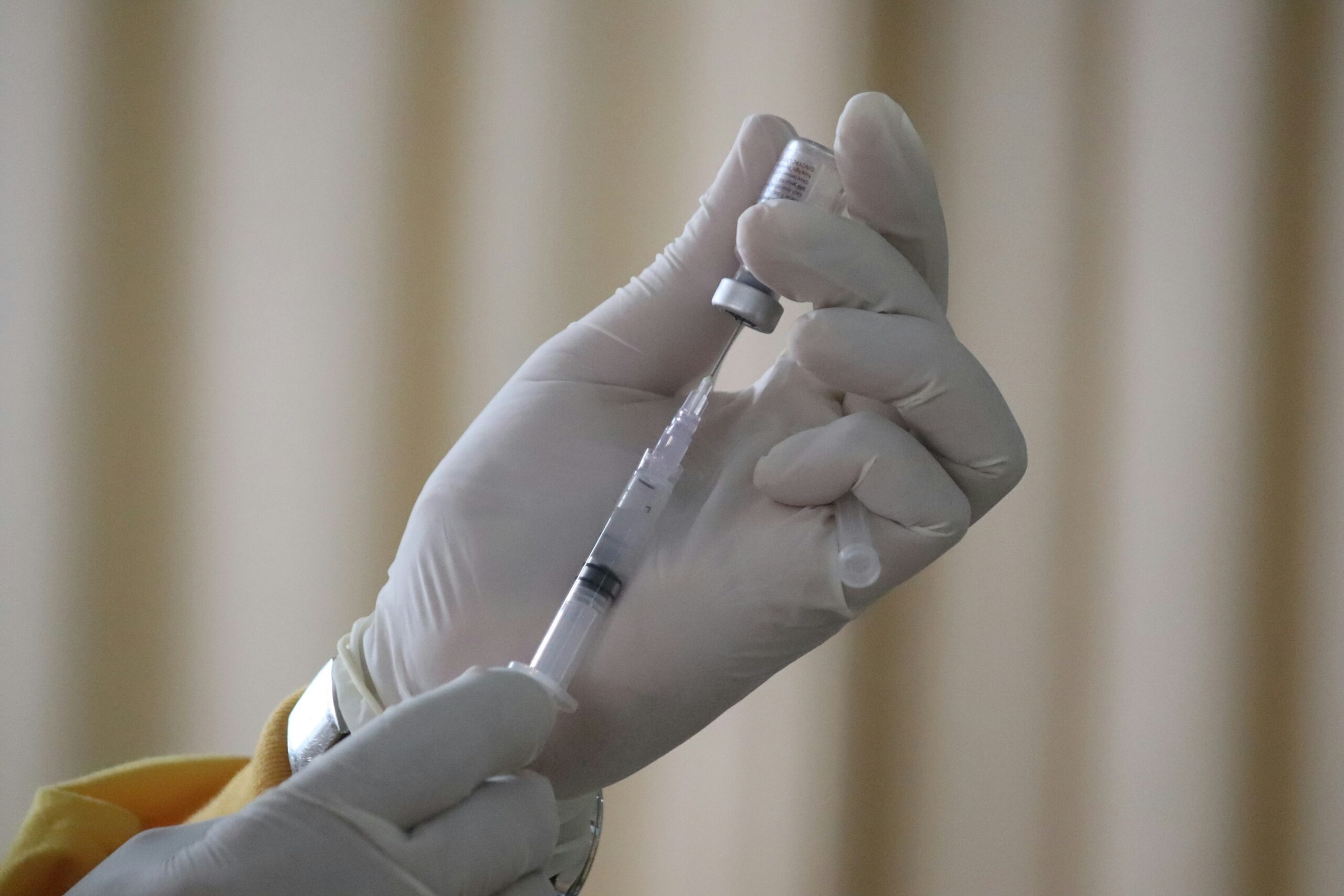
Ensuring a child’s health and safety is a top priority for every parent, but navigating the world of vaccines can sometimes feel overwhelming.
To help you make informed decisions, the clinical insights below are drawn directly from the expertise of Dr. Mukul Pandey, Pediatric Intensive Care Specialist in the Pediatric Department at St. Stephen’s Hospital.
Here is everything you need to know about how vaccines work, how schedules are designed, and why they are the most powerful tool for your child’s health.
Vaccination vs. Immunization: Understanding the Process
While these two terms are often used interchangeably, they represent two different parts of the same life-saving process:
- Vaccination: This is the physical act of introducing a microorganism such as a specific bacteria or virus into a child’s body.
Depending on the disease, this is given in the form of an intramuscular injection, a subcutaneous injection, or oral drops. - Immunization: This is the internal biological process that happens after the vaccination. It is the process by which the child’s immune system activates and produces protective antibodies against that specific organism.
Because of this process, when the child is exposed to the actual infection in the future, their body is already prepared to fight it off. This ensures that the child remains protected and the infection does not convert into a serious disease.
Why the First 5 Years Are the Most Critical
A child’s immune system is not fully grown at birth; it remains in a developing phase until the age of five. During this specific age group, children are at the highest risk of catching common infections that can rapidly convert into very serious diseases.
By providing vaccines at this age, we introduce these threats safely. The vaccines help the child’s ongoing, developing immune system make protective antibodies against the disease, keeping the child ready for long-term protection.
The Immunization “Roadmap”: How Schedules Are Decided
The immunization schedule is essentially a health roadmap for your child. This schedule is not created randomly; it originates from guidelines provided by the World Health Organization (WHO).
Individual countries then adapt this base schedule by analyzing their specific epidemiological status, conducting cost-benefit analyses, and taking advice from local doctors to create a country-wide schedule.
The timing of each vaccine is strictly calculated by doctors for a specific reason. For example, vaccines are often spaced at intervals like 1.5 months, 2.5 months, and 3.5 months after birth. Here is why that gap exists:
The Timeline of Antibody Development
Step 1: The Vaccine is Administered
⬇
Step 2: The Gap Period
(A planned waiting period of about one month)
⬇
Step 3: Immune Activation
(It takes the child’s immune system 6 to 8 weeks to fully develop protective antibodies against those specific vaccines)
⬇
Step 4: The Next Dose is Safely Administered
Active vs. Passive Immunity: What Does Your Child Need?
Most children undergo routine vaccination to build active immunity, meaning the body is actively involved and makes its own antibodies against the vaccines.
However, some children have immune deficiency diseases or other conditions where their body is not capable of making its own immunity, or doctors do not want the child to have active immunity.
For these cases, doctors use passive immunization. Instead of prompting the body to work, the child is directly provided with ready-made antibodies to keep them protected.
Busting the Biggest Vaccine Myth
A very common myth is that getting vaccinated somehow decreases a child’s natural immunity.
The Clinical Fact:
This is entirely the opposite of the truth. When a child under five is given a vaccine, their developing immune system is actually boosted and trained in making antibodies. If a real viral or bacterial infection of the same organism strikes later, the body is already trained and the antibodies are already made.
As a result, the protective effect is much better and the severity of the disease is vastly reduced.
While the majority of vaccines provide very good lifelong protection, some do not provide lifelong immunity and require top-up booster doses to maintain that shield.
Managing Side Effects and Missed Doses
It is perfectly normal for parents to worry about side effects, but the immediate side effects of most vaccines are very local and mild.
- Common Reactions: Mild fever, reactions, or pain at the injection site occur with some (but not all) vaccines. These are self-limiting and heal on their own in a day or two.
- Serious Reactions: In a very limited percentage of cases, serious side effects can occur. Doctors proactively make every parent aware of these before vaccination. Warning signs include persisting fever for a long time, the child becoming unconscious, stopping eating or drinking, a decrease in blood pressure (BP), or any other immediate reaction.
Recognizing these allows parents to bring the child in on time for immediate medical intervention and treatment.
What if you miss a scheduled date?
If a child misses a routine vaccine schedule, there is no need to worry. When the child comes for their next visit, doctors simply do a “catch-up” vaccination for the missed dose. However, doctors strongly explain to parents that it is always better to try and get pending vaccines on their proper schedule if there is no specific reason for the delay.
Protect Your Child at St. Stephen’s Hospital
Vaccines are completely safe and make your child’s immune system stronger, preventing common diseases and preparing them to fight serious upcoming illnesses.
At St. Stephen’s Hospital, all types of vaccines are available at any time of the day. If you need detailed information about a different type of schedule, or want a customized vaccine roadmap according to your child’s specific age, our team of doctors is ready to help. We will provide all the details and keep you informed on a timely basis.
Book a Pediatric Vaccination Appointment at St. Stephen’s Hospital Today