

A Legacy of Compassion Since 1885
A trusted landmark in the crowded streets and alleyways of Tis Hazari in Old Delhi, St. Stephen’s Hospital has been an institution of compassion and care for those in pain for over 140 years.
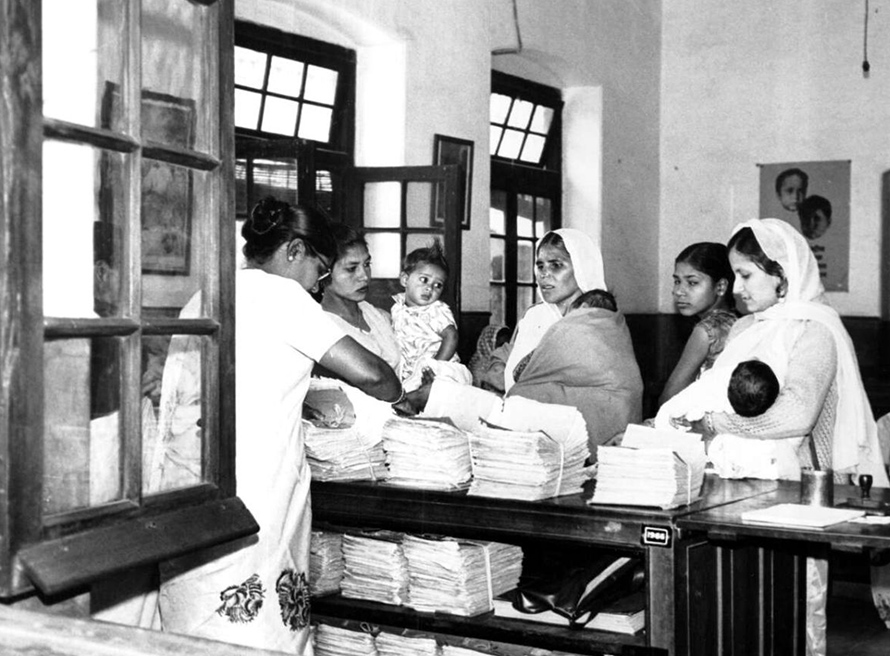
The story began in 1885, when a hospital for women and children – the first of its kind in Delhi, was opened by a group of missionary women. As the need grew, the hospital grew with it, and in 1908 it established itself at its present site in Tis Hazari, where it has cared for North Delhi’s people ever since, with special concern for the economically weaker sections of society.
Today, St. Stephen’s Hospital serves the needs of around five million people living in and around the walled city of Delhi. Of our patients, roughly 75% use the general wards and 25% the private beds; an overwhelming majority come from low-income groups and receive full medical treatment at subsidised rates. Because we receive no government funding, this mission of hope is sustained entirely by the compassion and understanding of our well-wishers and donors.
How it Began
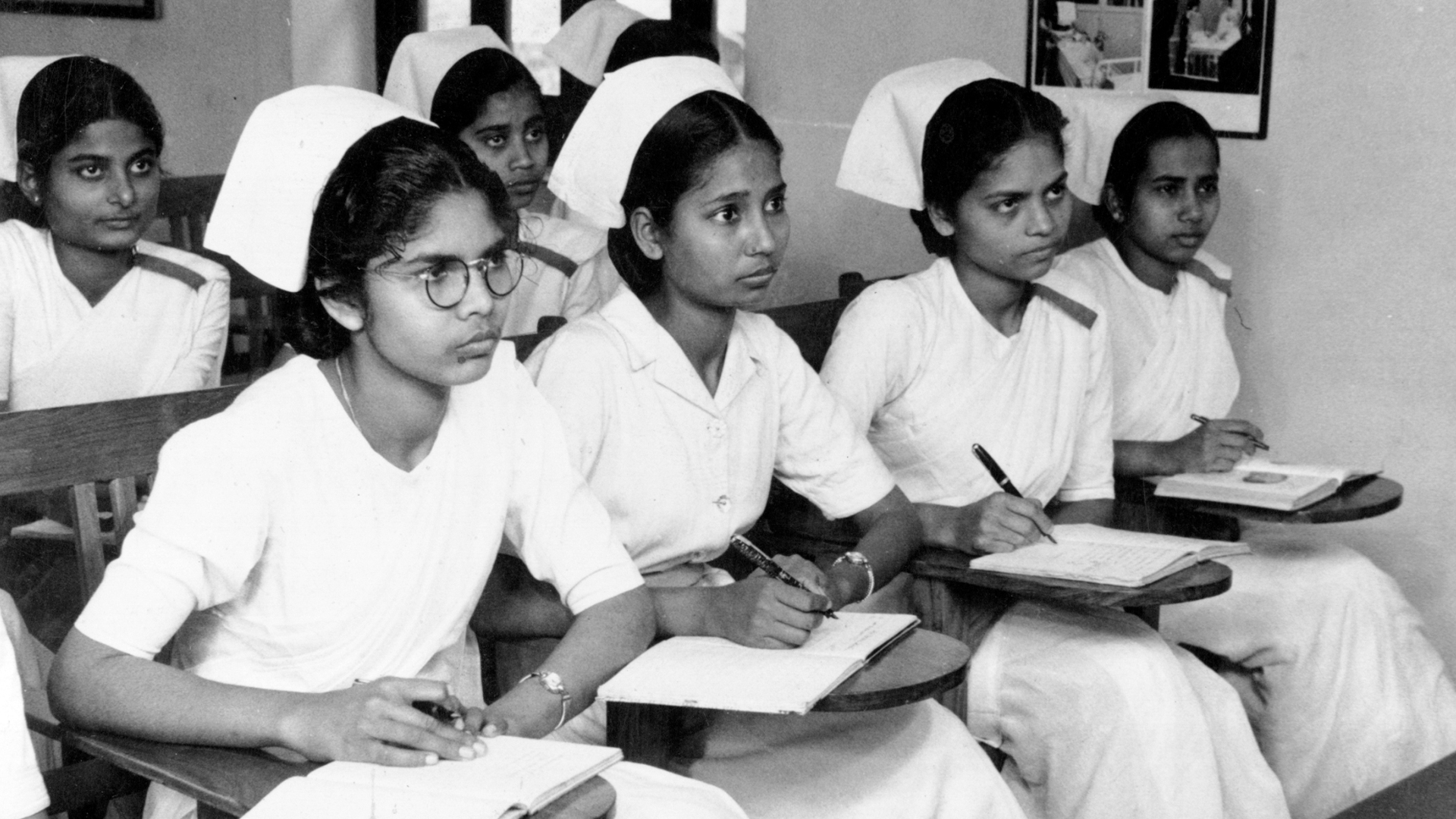
Mrs. Priscilla Winter came to Calcutta at the age of sixteen, and it was her pioneering work that established St. Stephen’s Hospital from the humblest of beginnings. In 1864 she started medical work on the banks of the river Yamuna with little more than a box of medicines and simple remedies. With the help of others — through what became known as the “White Ladies Association” – a small city dispensary followed, then a 50-bed hospital, and a growing tradition of nursing that would shape the institution for generations.
A Heritage of Firsts
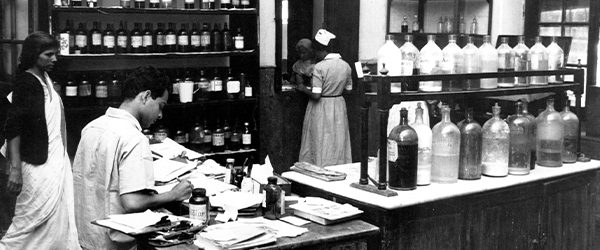
St. Stephen’s has long been a hospital of firsts: the first hospital for women and children in Delhi (1885); home to pioneering doctors and nurses recognised with national and imperial honours; and, in modern times, the first hospital in the country to achieve ISO 9001, ISO 14001 and OHSAS 45001 certification. It was here that North Delhi’s first kidney transplant was performed in 2002.
Milestones in Our History
A few of the moments that shaped St. Stephen’s Hospital:
Mrs. Priscilla Winter begins medical work on the banks of the Yamuna with a box of simple remedies.
St. Stephen's Hospital, the first hospital for women and children in Delhi, opens at Chandni Chowk (inaugurated by Lady Dufferin).
The hospital opens at its present Tis Hazari site; the OPD had opened six months earlier, in 1908.
Dr. Lucy Oommen becomes the first Indian Medical Superintendent.
The St. Stephen's Hospital Society is registered under the Societies Registration Act.
The new General Hospital is opened by Prime Minister Indira Gandhi.
Dr. Lucy Oommen is awarded the Padma Shri.
The new Mother & Child Block is inaugurated.
The MRI Centre is inaugurated.
Paediatric and Neurosurgery Intensive Care Units are commissioned.
The first kidney transplant at St. Stephen's Hospital is successfully performed.
President A. P. J. Abdul Kalam renames the block the “Dr. Lucy Oommen Mother and Child Block”.
Dr. Sudhir Joseph takes over as Director.
Rt. Rev. Sunil Kumar Singh takes over as Chairman.
St. Stephen's Hospital Today
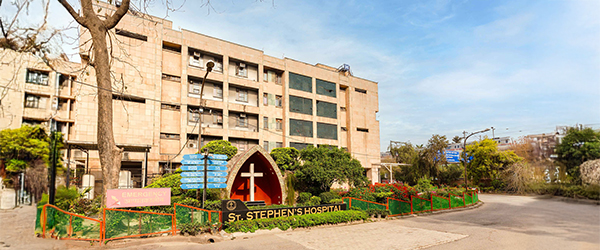
From those humble beginnings, St. Stephen’s has grown into one of the oldest and largest private hospitals in Delhi — a super-speciality tertiary care hospital offering care in all specialities and most super-specialities, while remaining true to its founding spirit of service.
Established
1885 (present Tis Hazari site since 1908)
Beds
600+ (super-speciality tertiary care)
Motto
“In Love Serve One Another”
Patients served
Around 3.5 lakh a year; serving a population of ~5 million in and around the walled city
Care model
Non-profit and charitable; 75% general-ward patients treated at subsidised rates